There's a version of scaling a consumer brand that looks like success from the outside—viral moments, a Target deal, rapid expansion across channels—but feels like controlled chaos from the inside. That was SEEQ's reality before they brought Drivepoint in.
SEEQ is a health and wellness brand reinventing protein supplements, bootstrapped from a garage into a fast-scaling omnichannel business selling across Shopify, Amazon, TikTok Shop, and now Target nationwide. By most measures, they were winning. But their finance function was running 30-60 days behind the business—and in a category moving as fast as supplements, that lag has real costs.
When Finance Can't Keep Up With the Business
SEEQ's forecasting process was built on ad-hoc Google Sheets. Getting a fresh forecast meant 2-3 days of deep manual work, and even then, the team was only updating models quarterly—sometimes annually. Every big decision required duplicating workbooks, running siloed analyses, and hoping the assumptions held.
The consequences were predictable: stockouts, marketing overspend that crept in before anyone caught it, and missed opportunities to optimize a DTC-first business that was moving faster than any spreadsheet could track. When Black Friday spend thresholds came up or subscription program economics needed to be modeled, there was no quick way to get to an answer.
With a nationwide Target launch underway and a transition from cash to accrual accounting on the horizon, SEEQ needed to stop reacting to their numbers and start getting ahead of them.
A Single Source of Truth, Finally
SEEQ brought Drivepoint in as the connective tissue between their books, forecasts, and operational dashboards. The immediate change: when the month closes, models roll forward automatically. No manual updates, no days lost pulling exports from QuickBooks or chasing down numbers from a fractional team.
Drivepoint's dashboards gave the team instant visibility into cohort performance, channel trends, and margin profiles across Shopify, Amazon, and retail—live data where there used to be a 30-60 day reporting lag. As CEO Keenan Kelly put it: "I don't have to wait for anybody—I just have everything I'm looking for in one place."
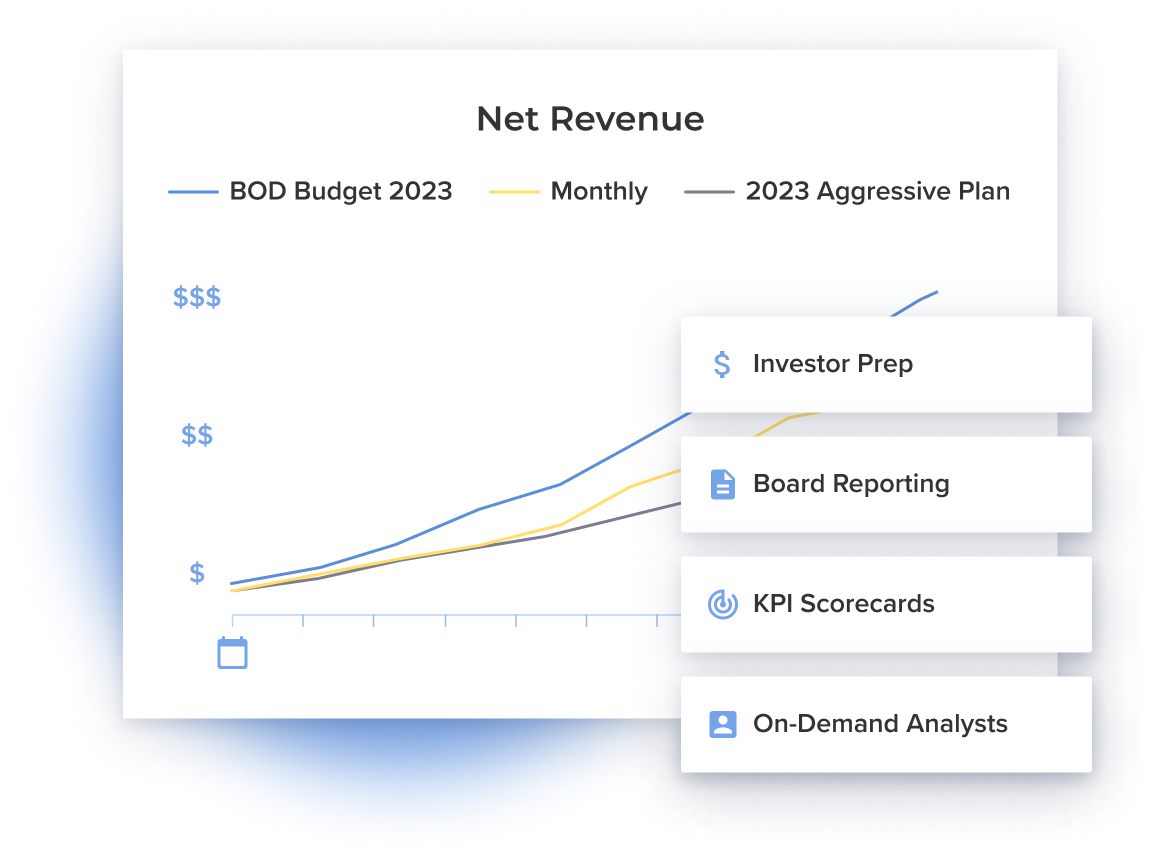
But the more significant unlock was scenario planning at speed. Instead of rebuilding models from scratch to test a spend increase or channel shift, SEEQ can now spin up scenarios in minutes and compare them side-by-side with their baseline plan. The team used this capability to redesign their entire Shopify strategy—dialing in subscription take rates, AOV targets, and CAC thresholds with the kind of precision that's only possible when you can actually model the numbers quickly.
Drivepoint also became the shared platform between SEEQ's fractional CFO and the operating team, so their CFO could work from pre-built models and dashboards rather than starting from scratch with every engagement.
The Results: Real-Time Planning, Smarter Decisions
The shift was from quarterly forecasts (at best) to continuous, real-time planning. Forecasts that previously took 2-3 days now happen instantly. The team went from operating 30-60 days behind to making decisions backed by current numbers.
With better visibility into cohort behavior and retention data, SEEQ could answer the strategic questions that actually matter—whether to double down on Shopify subscribers or lean into Amazon, and what the real three-year value of a trial customer looks like versus a one-time buyer. Those answers shaped a 2.0 version of their DTC business.
Board readiness, which used to require a scramble before every investor meeting, is now just the default state. The dashboards and forecasts are always there, trusted and current.
And the operational headaches that used to sting—stockouts, marketing budget overruns—became much more manageable once the team had real visibility into demand planning and margin profiles.
As SEEQ describes it, Drivepoint is "the stability" that lets them move fast, even as priorities shift. That's exactly what modern finance is supposed to do: not slow the business down with lagging reports and manual models, but give the team the clarity to make bigger, bolder bets with confidence.
If your finance function is still running a quarter behind your business, it's worth asking what decisions you're making without the full picture—and what it's costing you.
Want to see how Drivepoint can help your brand move from reactive to real-time? Book a demo.